
By late April, one question comes up constantly: “Can I start staining my deck right now?”
The answer depends on several factors. Temperature, wood moisture, and weather conditions can all influence the final result.
To help you choose the right time, we’ll explain the main things to check before starting your spring exterior staining projects.
01
Factors to consider: air and surface moisture and temperature for staining your deck
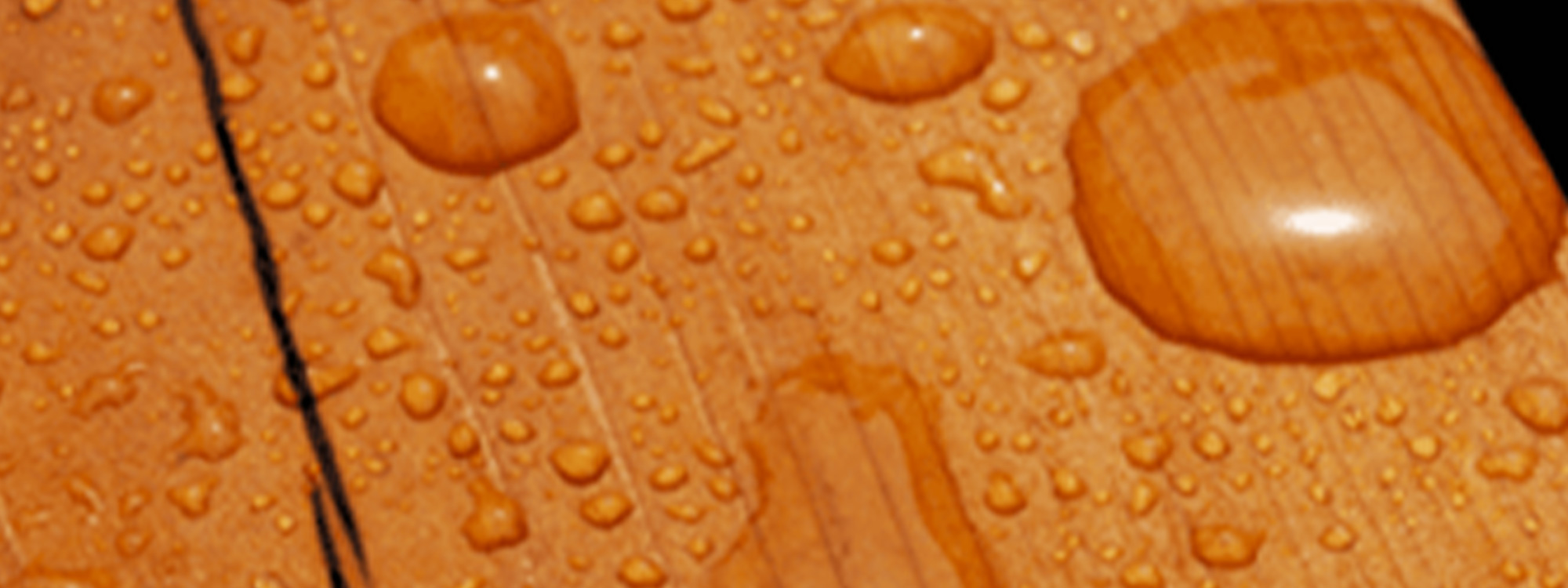
To know if it’s the right time to stain your deck, the analysis grid is actually quite simple. You need to monitor two elements: moisture and temperature. And you must consider them in both the ambient air and the wood.
Here are the four elements to check:
- The moisture content in the wood
- The relative humidity of the air
- The air temperature
- The wood surface temperature
If the wood contains too much moisture, the stain or protector won’t be able to penetrate properly. The finish then risks poor adhesion and peeling much faster.
Air humidity can also complicate things. When the relative humidity is high—say around 70% or more—and the temperature is below 10°C, the stain can take an enormous amount of time to dry. In some cases, drying can stretch over several days.
And during all that time, your stain remains vulnerable. Rain, morning dew, pollen, dust, or simply the little one’s ball can ruin a finish that hasn’t had time to dry properly yet.
The wood temperature is just as important as the air temperature
For staining your deck, we generally aim for a temperature between 10 and 25°C. But beware: looking only at the temperature displayed on your outdoor thermometer is not enough.
Wood does not warm up as quickly as air.
Imagine a beautiful May morning. It’s 10:00 AM and the outside temperature has just reached 10°C. However, it was 5°C during the night. Even if the air is now warm enough, your deck is probably still too cold to receive its stain.
You may sometimes need to wait a few hours for the wood surface to also reach the minimum recommended temperature.
This is why we like to apply a precautionary principle: wait until it is at least 10°C day and night before starting the work. This reduces risks and gives you a much better chance of achieving a durable finish.
We’ve put together a table summarizing everything you need to watch out for regarding temperature and moisture:
| Element to check | Question to ask | Green light | Caution | Why is it important? |
|---|---|---|---|---|
| Wood moisture | Have we had a particularly rainy spring? | The wood feels dry and, ideally, its moisture content has been checked with a moisture meter. | After several days of rain, the wood can still be waterlogged. | Wood that is too wet prevents the protector from penetrating properly and can lead to loss of adhesion or premature peeling. |
| Relative air humidity | Is the relative humidity below 70%? | Yes: conditions are generally favorable for drying. | Above 70%, the stain can dry much more slowly, especially when temperatures are cool. | A stain that stays wet too long remains vulnerable to rain, dew, pollen, dust, and other contaminants. |
| Air temperature | Is it at least 10°C relatively consistently, even at night? | Yes: temperatures are generally adequate to start the work. | Temperatures below 10°C significantly slow down drying. | A temperature that is too cool can prevent the stain from drying and hardening properly. |
| Wood surface temperature | Is the deck surface also between 10 and 25°C? | Yes: the wood is sufficiently tempered to receive the stain. | Even if the air reaches 10°C, the wood may still be too cold after a cool night. | Wood warms up more slowly than air. You must therefore check the actual surface temperature before applying the stain. |
02
Stains that make it easier to find the right application temperature
There are certain stains that will allow you to start your staining work earlier.

Certain stains, known in the jargon as “hygrophilic,” can be applied to wood that is wetter than normal. But beware, that doesn’t mean you can apply it to boards that are soaking wet!
Sansin Dec, the stain that tolerates the highest wood moisture during application

“I have a 600 sq. ft. cedar deck built in 2021. At that time, I bought one of their products to stain it a color and protect it. After three years of bad weather, salt pool water, and two large dogs weighing 75 and 90 pounds playing on it the whole time, I am so satisfied with the quality and incredible endurance of their product that I just bought the same product again to refresh the wood protection.”
M. Dalbec, client confirmé
In the category of stains that allow you to start work earlier in the spring, Sansin DEC stands out particularly.
This stain for decks and fences has a very interesting feature: it tolerates a wood moisture content of up to 25%. Thanks to its hygrophilic formula, it can effectively penetrate wetter wood than many conventional stains allow.
Once dry, Sansin DEC still becomes water-repellent. It therefore repels rainwater while allowing the moisture contained in the wood to escape thanks to its microporous structure. It’s the best of both worlds: it protects the wood against external water without trapping it under a completely waterproof layer.
In short, it’s a particularly interesting stain if you want to undertake your exterior staining work in the spring or treat new wood without necessarily waiting a whole summer for it to dry completely.
Natural Stains and Oils

“Best product for a cedar balcony. It doesn't peel; you just have to prepare it well and apply. It needs refreshing every year or every 2 years because it wears off faster at the wood knots. Expensive (nearly 3X the price of an ordinary product) but worth it because there's no peeling, making maintenance and refreshing easier. It lasts much longer on vertical surfaces.”
M. Dalbec, client confirmé
When we talk about natural oils, we think of products like Alis, Extéria, or Osmo. These oils normally leave a slightly thicker layer on your boards. That said, they still let your boards breathe a bit more than a completely film-forming finish (which totally seals the wood pores).
When you apply natural oil, the moisture in the boards must not exceed 15%. If you shoveled snow during the winter and your wood isn’t too waterlogged, it’s possible you can oil in the spring. Don’t take any risks, and measure with a moisture meter before starting.

03
Avoid solid stains and water-based stains
Why? Because these products penetrate less easily when the wood contains too much moisture. And in the case of more film-forming systems, the problem can go even further: they form a film on the surface of the wood and prevent trapped moisture from escaping.
This is therefore an important element to consider in the spring. If your wood is still wet after the snow melts or a particularly rainy period, you may need to wait before applying this type of finish.
So if you usually protect your deck with a water-based semi-transparent stain, a solid stain, or a film-forming oil stain, it’s better to wait until later in the season.
Start your project now!
You’ll find all the products you need directly on our website.
- Get a moisture meter and calculate the moisture level in your wood.
- Choose a stain or oil based on the moisture level in your wood.
- Up to 25% moisture: Sansin Dec
- Up to 15% moisture: Alis, Extéria, Osmo
- Calculate the dimensions of the surface you want to stain to know how much stain you will need.
- One gallon of Sansin Dec covers between 250 and 300 sq. ft. (1 coat)
- Alis covers between 125 and 250 sq. ft. (2 coats) per 2.5 L
- Place your order online and choose between in-store pickup and home delivery.
Want more tips for a successful exterior staining project? Check out the section of our blog that covers this topic!
Products found in this article.

Sansin DEC Stain
Alis Deck Oil

Extéria One-Coat Oil
Q&A
Q. My deck looks dry on the surface: can I start staining it?
Not necessarily. Wood can look perfectly dry on the surface while still containing a lot of moisture inside. This is particularly common after snowmelt or a long period of rain. When in doubt, use a moisture meter to measure the wood’s moisture content rather than relying solely on its appearance.
Q. How long should I wait after rain before staining my deck?
There is no universal number of days. Drying time depends notably on the amount of rain received, sunlight, temperature, and wood species. A deck located in the shade can take much longer to dry than a deck exposed to the sun. Again, the actual moisture content of the wood is much more reliable than the number of days since the last shower.
Q. Can I start my work in the morning if it's already warm enough?
Beware: the air temperature and the deck temperature are not always the same. After a cold night, the wood can stay below the recommended temperature for several hours, even if the outdoor thermometer already shows 10°C. In the spring, it’s often better to wait until the surface has had time to warm up before starting application.
Q. Can I stain new wood in the first spring?
It mostly depends on the type of wood and the product you want to apply. New wood can contain a lot of moisture, especially if it was recently installed or if it’s pressure-treated wood.
Certain stains, like Sansin DEC, tolerate a higher moisture content and can allow the wood to be treated sooner. Other systems, notably many oils and more film-forming stains, require much drier wood.
Before deciding to start, check the wood’s moisture content and consult the requirements of the product you’ve chosen.
Q. What happens if the temperature drops below the recommended limit during the night?
This is a particularly important situation in the spring. Even if conditions are good during the day, a significant drop in temperature during drying can slow down the stain’s hardening and compromise its performance. That’s why it’s better to consult the recommendations for your chosen product and avoid planning work just before a period of very cold nights.
Q. Can I just choose a stain that is more moisture-tolerant to start earlier?
Yes, some products are indeed more tolerant of wood moisture than others. But beware: this doesn’t mean you can apply the stain to a soaking wet deck. A stain designed to better penetrate wet wood simply offers a greater margin of error. The wood must still be dry enough and the surface must be in good condition to achieve a durable finish.


